
Discover the Best Anti-Snoring Devices and Techniques
Snoring can be a major nuisance, affecting the quality of your sleep and your partner’s. Fortunately, numerous anti-snoring devices and techniques are available to help you get a restful night’s sleep. We will explore some of the best options to address this common issue.
Zyppah Anti-Snoring Device
The Zyppah anti-snoring device is a product designed to help reduce snoring during sleep. A mandibular advancement device (MAD) aims to open the airway by slightly forward positioning the lower jaw. By doing so, it helps to prevent the collapse of soft tissues at the back of the throat, which often leads to snoring.


Continuous Positive Airway Pressure (CPAP)
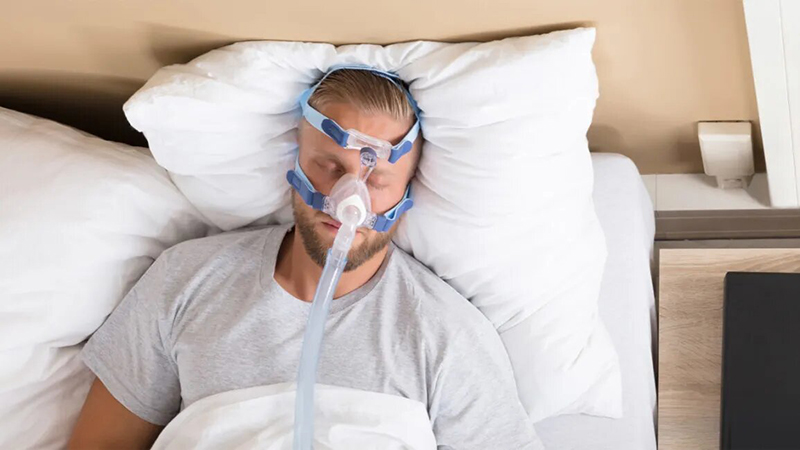
One of the most effective anti-snoring devices is the CPAP machine. CPAP devices deliver a constant flow of air pressure through a mask worn over the nose or nose and mouth, keeping the airway open during sleep. This method is highly recommended for individuals with sleep apnea, a condition often associated with snoring. CPAP machines are adjustable, comfortable to wear, and can significantly reduce snoring and improve sleep quality.
Mandibular Advancement Devices (MADs)
Mandibular advancement devices are oral appliances that help to prevent snoring by holding the lower jaw slightly forward during sleep. This position helps keep the airway open, reducing the vibrations that cause snoring. MADs are custom-made by dental professionals and offer a comfortable and convenient solution for snorers. They are particularly beneficial for individuals with mild to moderate snoring problems or those who cannot tolerate CPAP therapy.

Nasal Dilators
Nasal dilators are small devices inserted into the nostrils to open the nasal passages, allowing for easier breathing. They can be in the form of strips, cones, or clips. Nasal dilators are a non-invasive and affordable option for individuals who experience snoring due to nasal congestion or structural issues. Improving airflow through the nose can effectively reduce snoring and promote better sleep.
Positional Therapy
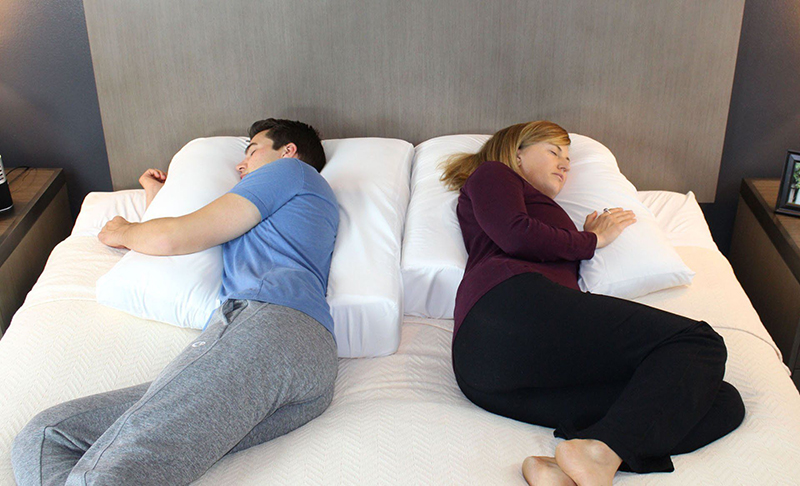
Positional therapy focuses on adjusting sleep positions to minimize snoring. Many individuals snore more intensely when sleeping on their backs, as this position can cause the tongue and soft tissues in the throat to obstruct the airway. Techniques such as using specialized pillows or wearing a backpack-like device that discourages back sleeping can help encourage side sleeping, reducing snoring and improving breathing.
Lifestyle Changes
In addition to using anti-snoring devices, certain lifestyle changes can also help alleviate snoring. Maintaining a healthy weight, avoiding alcohol and sedatives before bed, establishing regular sleep patterns, and practicing good sleep hygiene can reduce snoring episodes. Elevating the head while sleeping and keeping the bedroom well-ventilated can also positive impact. These lifestyle modifications, combined with the use of anti-snoring devices, can significantly improve sleep quality for individuals who snore.
Conclusion
Snoring can disrupt your sleep and affect your overall well-being. However, by exploring the various anti-snoring devices and techniques available, you can find an effective solution that suits your needs. Whether it’s a CPAP machine, a mandibular advancement device, or simple lifestyle adjustments, taking steps to address snoring can lead to a more peaceful and refreshing sleep experience for you and your partner.
Leave a Reply
You must be logged in to post a comment.