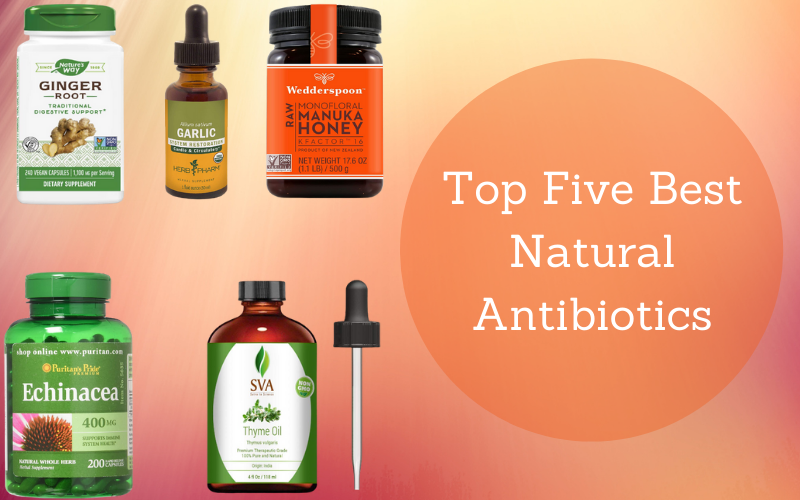
Natural Antibiotics are the vital source of various man-made antibiotics. Different plant extracts, essential oils, and even foods have antibiotic properties. Natural Antibiotics are used to kill or inhibit bacterial growth. Although you might think of antibiotics as modern medicine, they’ve been around for centuries. Ever since Alexander Fleming discovered penicillin, antibiotics have been in use for the proper treatment of different sorts of infections around the world. Lets do Review of best natural antibiotics
Infections are caused due to unwanted microbial and fungal activities. There are different microbial organisms such as bacteria and fungi which can cause some serious damage to your body if it culminates in large amounts. Various antibiotics and antifungal creams are used to cure such infections.
Antibiotics are the most common drugs used to kill or inhibit bacterial growth. These harmful bacterias can result in a weaker immune system. With a weaker immune system, energy levels of the body are also reduced, and to boost up those energy levels different liquid vitamins and various HGH supplements are also taken alongside certain antibiotics.

But due to a lack of information, most people use antibiotics incorrectly. It is an antibacterial drug but it is often taken when someone is suffering from certain minor viral conditions like cough and cold. The continuous use of antibiotics may result in long-term effects that antibiotics have on your body cannot be ignored forever. Therefore, it is suggested that you must realize the severity of the situation.
The long-term use of antibiotics can also lead to a serious condition called antibiotic resistance. It's a condition when bacteria develop resistance against all forms of antibodies. Thus making it extremely difficult for you to treat yourself with antibiotics after a specific time. The overuse of antibiotics has a lot of side effects that are easily ignored by many these days.
Now the question arises: how can you prevent the excessive use of antibiotics?. When you’re dealing with the common cold, earaches, sore throats, respiratory conditions, and toothaches, we recommend using “natural antibiotics,” which work just as effectively to reduce the harmful bacteria in your body, while also reducing inflammation and increasing the presence of good, protective bacteria.

Best Natural Antibiotics:
Here are the 5 most effective best natural antibiotics:
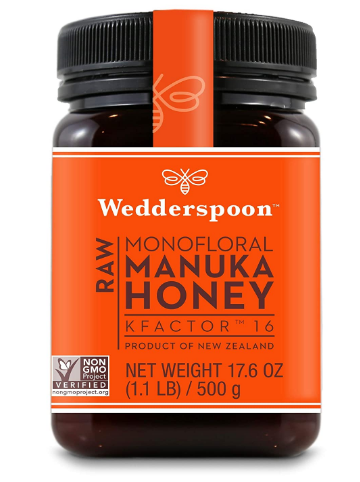
Manuka Honey as the Best Natural Antibiotic:
Honey is considered one of the oldest known antibiotics, tracing back to ancient times and even the start of human civilization. Egyptians used honey as a natural antibiotic and skin protectant. Honey contains hydrogen peroxide, which may account for some of its antibacterial properties. It also has a high sugar content, which can help stop the growth of certain bacteria. Additionally, the unique fact about honey is that it has a low pH level. This helps to pull moisture away from bacteria, causing the bacteria to get dehydrated and die its death.
Since the time of Aristotle, honey has been used as an ointment that helps wounds to heal and prevents or draws out infection. Healthcare professionals today have found it helpful in treating chronic wounds, burns, ulcers, bedsores, and skin grafts.
The honey is naturally filled with various compounds like propolis that are rich in flavonoids, esters, and phenolic acid which can actively boost your immune system to fight against infections. Manuka honey is also rich in enzymes such as glucose oxidase which can convert compounds of glucose to hydrogen peroxide and thereby reduce the affinity for infections.
Manuka honey through years of plain observation has been claimed to be a broad-spectrum antibacterial that can even heal wounds that are caused on legs due to ulceration caused due to antibiotic-resistant bacterias. To use honey as an antibiotic, apply it directly to the wound or infected area. The honey can help kill off the bacteria and aid in the healing process. If possible, opt for raw Manuka honey. This form of honey offers the most health benefits.
Garlic as the Best Natural Antibiotic:
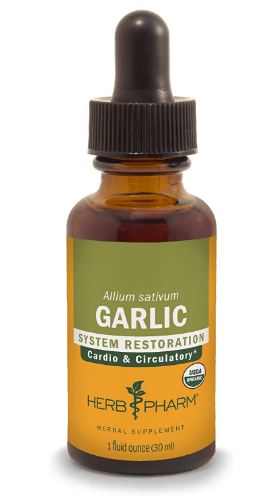
Cultures around the globe have long recognized garlic for its preventive and curative powers. Garlic has long been thought to have antimicrobial properties. Garlic is an easily available spice in the market. However, it was not until recent years the exact reason why garlic has so many antibacterial, antifungal and antiviral properties were studied.
Allicin is the most prominent compound found in garlic and has excellent antimicrobial functions. It is the most active compound in garlic which gives it these properties. Allicin is highly effective against MRS (Multidrug Resistance Strains) bacterias which makes it highly valuable for the medical community. Another component found in garlic called Ajoene is also capable of treating fungal infections such as athlete’s foot which many people suffer from worldwide. Garlic extract can also be used for the treatment of influenza and herpes viruses and can deliver positive results.
This compound can easily eradicate bacteria by resisting the production or blocking the enzymes that are directly responsible for several vital functions of the bacteria such as energy production and cell structure formation. Without the necessary energy, the bacterias will ultimately die off in no time.
Garlic is generally safe to ingest, but large doses might cause internal bleeding. Up to two cloves per day is considered an acceptable dosage. If you’re taking a garlic supplement, be sure to follow the dosage directions as provided. If you’re taking blood-thinning medication, consult your healthcare provider before using garlic as an antibiotic. Large doses of garlic can amplify the effects of this medication. You can also apply garlic concentrate directly to a wound or blemish.
Echinacea as the Best Natural Antibiotic:
Native Americans and other traditional healers have used echinacea for hundreds of years to treat infections and wounds. Researchers are beginning to understand why. Echinacea is a kind of daisy flower which is mostly found in the eastern and central parts of North America. These flower extracts and pastes have been used for the treatment of various infections since the early cultures.
Echinacea extracts are now widely available across the globe and their antimicrobial functions are being utilized by people around the globe in a very positive manner. The immunoprotective aspect of this drug also makes it highly beneficial and recommended to be included in the treatment of various medical conditions.
Echinacea has many benefits that come due to its basic components of carbohydrates, glycoproteins, and caffeic acid. These compounds contain excellent antibacterial and fungal properties and are particularly helpful in reducing the spread and growth of these harmful microbes. This herb is also effective in reducing the problems caused due to the symptoms of bacterial infections by reducing the production of cytokines that act as inflammatory markers during an event of infection.
The herb also has excellent antifungal properties and can actively prevent the growth of multiple strains of fungi that can cause lethal fungal infections on the skin like candidiasis. The antiviral properties of Echinacea are also quite impressive, they have active defensive capability against strong strains of viruses such as rotavirus, herpes, and influenza.

Thyme as the Best Natural Antibiotic:
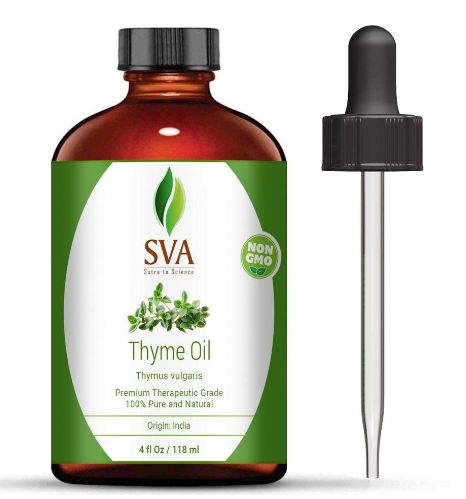
Thyme is used by various all-natural household cleaners. Its oil is especially helpful against antibiotic-resistant bacteria. Researchers have tested the effectiveness of both lavender and thyme essential oil. Both oils were tested in a pool of over 120 strains of bacteria. The researchers found thyme essential oil to be more effective at killing bacteria than lavender essential oil.
Thyme is a well-known spice mostly used in Meditteranean cuisine. The antimicrobial qualities of this spice are very high. It can be easily inculcated in various dishes and can provide multiple benefits to your body. Thyme can be extracted from its oil and this oil is very effective to treat diseases caused due to E-Coli and Pseudomonas bacterias.
Thyme essential oil is for external use only. You shouldn’t take thyme oil by mouth. Before applying to the affected area, be sure to dilute the essential oil with an equal parts carrier oil. Common carrier oils include coconut and olive oils. Applying undiluted essential oil to the skin may cause inflammation and irritation. People with high blood pressure or hyperthyroid problems shouldn’t use thyme essential oil.
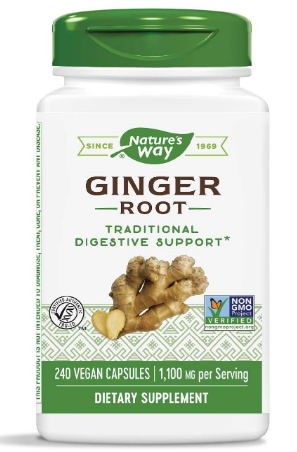
Ginger as the Best Natural Antibiotic:
The scientific community also recognizes ginger as a natural antibiotic. Several studies have demonstrated ginger’s ability to fight many strains of bacteria. Researchers are also exploring ginger’s power to combat seasickness and nausea and to lower blood sugar levels.
Ginger is an Asian spice that has versatile uses around the world. This spice is obtained from the roots of the Ginger plant and is used in many medicines. The antimicrobial effects of ginger have been exploited by natural medicine practitioners for a long time. However, it was only recently that the exact components in ginger that give it these magical effects were recognized.
Ginger is filled with compounds such as gingerol, gingerol, terpenoids, shogaol, zerumbone, and zingerone along with flavonoids which give it excellent antimicrobial properties with the ability to act against the formation of biofilms. H.Pylori bacteria which thrives in acidic stomachs can be reduced by consuming ginger which can normalize the acid production in your stomach.
Ginger also has good antifungal activity as it can reduce the effects of food spoilage due to fungal infections and can also help in treating skin conditions caused due to fungal infections such as athlete’s foot.
Note: The views expressed in this article should not be considered as a substitute for physician’s advice. Please consult your physician for more details.

Leave a Reply
You must be logged in to post a comment.