
Breakfast is, without a doubt, one of the pivotal meals of the day. As we delve into the realm of morning nourishments, bread prominently stands tall as a global breakfast staple.
Among its varied kinds, whole grain bread is increasingly being recognized as the healthiest choice. But what makes it so beneficial?

Understanding Whole Grains

Whole grain bread is distinguished by the fact that it’s made from grains retaining all three integral components: the bran, germ, and endosperm. This structural preservation ensures that they are nutritionally superior, offering a plethora of health benefits that refined grains can’t match.
The Science Behind the Grain
Grains are the seeds of grass-like plants. The outer layer, the bran, provides fiber, B vitamins, and trace minerals.
The middle part, the germ, contributes essential fatty acids and various antioxidants. Finally, the endosperm offers carbohydrates and proteins.

When grains are refined, they lose the bran and germ, stripping them of 25% of their protein and at least seventeen key nutrients.
Packed with Essential Nutrients
Fiber Power: One of the standout benefits of whole grain bread is its impressive fiber content. Fiber aids digestion, ensures smooth bowel movements, and can provide a feeling of satiety, helping with weight management.
Vitamin Boost: Whole grain breads are rich in B vitamins, essential for energy production and optimal nervous system function.
Mineral Treasure: They also offer minerals like magnesium, essential for muscle function, and iron, which helps in transporting oxygen throughout our body.
Weight Management and Whole Grains

The intricate relationship between whole grain intake and weight management stems from several factors:
Satiety: The high fiber content in whole grain bread can keep you feeling full for longer, ensuring you consume fewer calories throughout the day.
Blood Sugar Regulation: Whole grains have a lower glycemic index, ensuring a steady release of sugar into the bloodstream. This helps regulate blood sugar, preventing the highs and lows that can lead to snacking and overeating.
Heart Health and Whole Grain Bread
Cardiovascular diseases remain a significant health concern worldwide. Here’s how whole grain can play a role in heart health:
Cholesterol Reduction: Regular consumption of whole grains has been linked to reduced LDL (bad) cholesterol levels.
Blood Pressure Regulation: The magnesium in whole grain bread can help regulate blood pressure.
Inflammation Reduction: Some studies suggest that whole grains can reduce inflammation, a key contributor to cardiovascular diseases.
Getting Creative with Whole Grain Bread
While the health benefits of whole grain bread are clear, you can add a twist to your breakfast regime with innovative preparation methods.
Have you ever thought about how to toast bread without a toaster? Toasting bread on a stovetop skillet can give it a delightful crunch. Plus, it’s a lifesaver when your toaster goes on the blink or if you’re looking for a rustic taste.
Beneficial for Gut Health
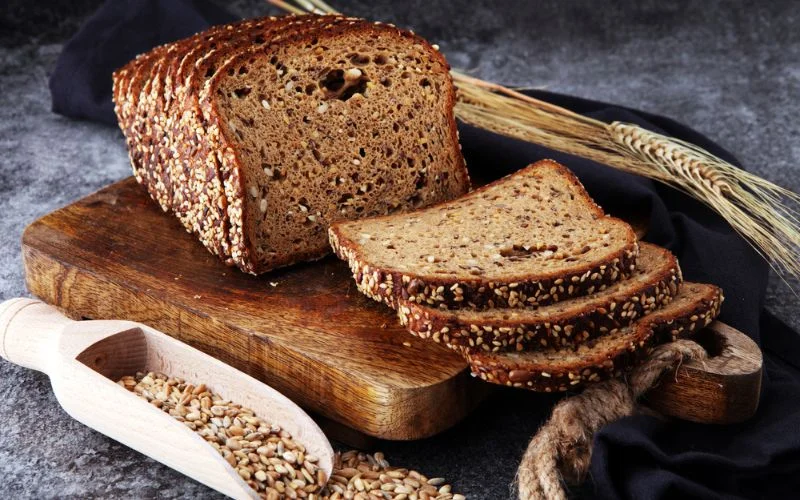
A healthy gut contributes significantly to overall well-being. Whole grain bread:
Promotes Good Bacteria: The fiber in whole grains acts as a prebiotic, providing food for beneficial gut bacteria. This promotes a healthy gut microbiome, essential for digestion and immunity.
Prevents Constipation: The fiber ensures smooth bowel movements, preventing the discomfort of constipation.
Potential Protection Against Chronic Diseases
Beyond the immediate benefits, consistent consumption of whole grains can offer long-term health advantages:
Diabetes: Studies indicate a reduced risk of type 2 diabetes among regular whole grain consumers.
Cancer: Some research suggests whole grains might lower the risk of certain cancers, thanks to their antioxidant properties.
Frequently Asked Questions
What differentiates whole grain bread from white bread?
Whole grain bread includes all grain components, while white bread, made from refined grains, lacks many essential nutrients.
How can one spot genuine whole grain bread in grocery stores?
Always review the ingredient list. Genuine whole grain bread will list a whole grain, like whole wheat flour, as its primary ingredient.
Is it possible to toast bread without a toaster?
Definitely! Beyond the traditional toaster, bread can be toasted on a stovetop skillet, in an oven, or even over open flames for those seeking a unique taste.
Might there be any negative effects from eating whole grain bread?
While beneficial for most, those with gluten sensitivities or celiac disease should select gluten-free bread options.
Read More:
Getting Smart with Ab Wheel Workout
Leave a Reply
You must be logged in to post a comment.