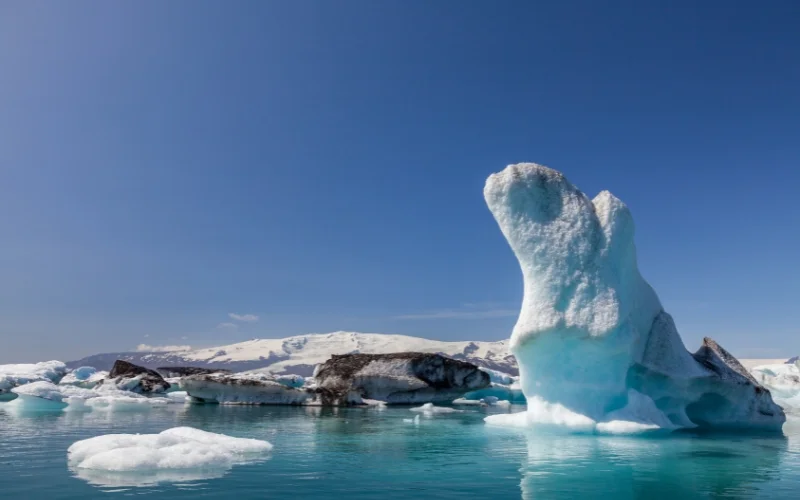
Living in a cold climate presents unique challenges and opportunities when it comes to maintaining health and wellness.
While the chill in the air might be invigorating for some, it can also be a source of health concerns if not managed properly. In this comprehensive guide, we’ll explore effective strategies to thrive, not just survive, in cold climates.

Understanding the Impact of Cold Weather on Health
Cold weather can have various effects on your body. From impacting your immune system to influencing your mental health, it’s important to understand these changes to better prepare and protect yourself.
Physical Health in the Cold
The drop in temperature can lead to increased risks of colds, flu, and other respiratory problems. It’s also common to experience dry skin, chapped lips, and other skin issues due to the harsh, dry air.
Mental Health and the Winter Blues

Shorter days and less sunlight can lead to feelings of lethargy and sadness, sometimes culminating in Seasonal Affective Disorder (SAD). It’s crucial to recognize these emotional changes and address them proactively.

Nutrition for Cold Weather Resilience
Your diet plays a vital role in how your body copes with the cold. Here are some nutritional strategies to keep you robust and resilient.
Warm and Nourishing Foods
Incorporate foods that are warming and nourishing. Soups, stews, and warm beverages can not only heat you up but also provide essential nutrients.
Vitamins and Minerals for Immunity
Focus on foods rich in vitamins C and D, zinc, and other immune-boosting nutrients. These are vital in defending your body against cold-weather illnesses.
Staying Active Despite the Chill
Exercise is just as important in the winter as it is in warmer months, though it may require a different approach.
Indoor Exercise Options
When it’s too cold to exercise outside, consider indoor activities like yoga, home workouts, or joining a gym.
Embracing Outdoor Winter Activities
For those who enjoy the outdoors, activities like skiing, snowshoeing, or even brisk walks can be invigorating and good for your health.
Managing Indoor Air Quality and Warmth

Spending more time indoors means paying attention to the air quality and warmth of your living space.
Ensuring Proper Ventilation
With homes sealed tight against the cold, ensure you have proper ventilation to avoid stale and unhealthy air.
Safe and Efficient Heating
Choosing safe and efficient heating options is crucial. While traditional methods have their place, modern solutions like Biomass Fuel Pellets can offer an efficient and potentially healthier alternative.
Cold Weather Skin Care
The harsh winter air can be tough on your skin. Here’s how to keep it healthy and hydrated.
Moisturizing and Protection
Invest in a good moisturizer and don’t forget to protect your skin from harsh winds and cold air.
Hydration from Inside Out
Remember, hydration isn’t just about what you put on your skin; it’s also about what you consume. Drink plenty of water to keep your skin and body hydrated.
Mental Health and Beating the Winter Blues

Taking care of your mental health is as important as physical health during the cold months.
Light Therapy and Vitamin D
Consider light therapy for combating SAD and ensure you’re getting enough vitamin D, which can be limited due to reduced sunlight.
Staying Social and Connected
Don’t let the cold weather isolate you. Stay connected with friends and family, even if it’s through virtual means.
Final Thoughts
Embracing life in a cold climate goes beyond merely enduring the freezing temperatures. It’s about adopting a holistic approach to health and well-being.
Dress appropriately for the weather, but also pay attention to your indoor living environment, nutrition, physical activity, skin care, and mental health.
By making conscious choices, you can transform the cold season into a time of health, vitality, and joy. Remember, it’s not just about surviving the winter; it’s about thriving in it.
Leave a Reply
You must be logged in to post a comment.