
Pursuing optimal health and well-being has led to exploring various nutritional theories, including the intriguing concept of zero-calorie foods.
With the abundance of dietary advice available, we often question which foods best serve our health. Understanding nutritional facts is crucial when choosing the healthiest Subway bread or contemplating the benefits of colorful vegetables.
In this article, we delve into zero-calorie foods, investigate the science behind it, and examine their validity. Additionally, we will emphasize the importance of balanced and informed food choices in our daily lives.

Understanding Zero-Calorie Foods
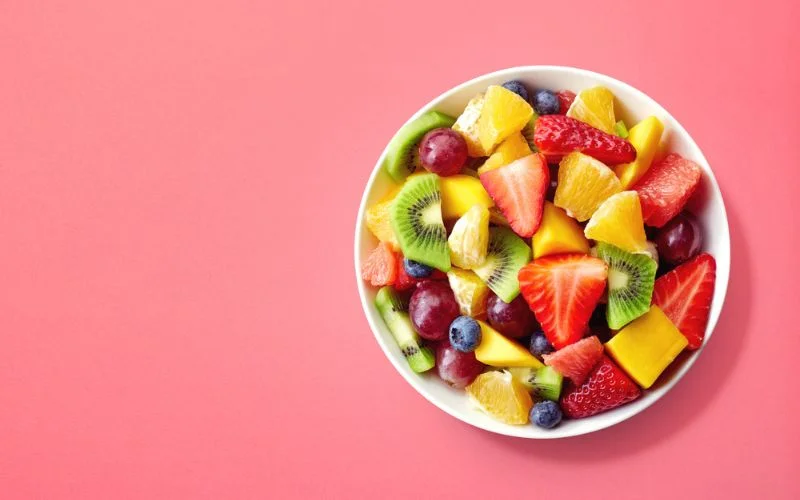
Zero-calorie foods are proposed to have fewer calories than our body consumes to process them, theoretically leading to a calorie deficit.
This concept primarily involves vegetables and fruits like celery, cucumbers, and grapefruit, known for their high water and fiber content and low-calorie density.

The Scientific Perspective
Thermic Effect of Food
Every food has a thermic effect, meaning the body uses energy to digest, absorb, and utilize nutrients. However, this energy expenditure is minimal and doesn’t negate the entire caloric value of food.
Nutritional Components
Despite their low caloric content, low-calorie foods often hold substantial nutritional value, providing essential vitamins, minerals, and antioxidants necessary for various bodily functions.
Analyzing the Facts

The notion of food items leading to a ‘negative calorie balance’ is largely debunked by science. Consuming a piece of celery containing about six calories does not result in a calorie deficit after digestion. However, focusing on nutrient-dense, low-calorie foods can be beneficial when included in a balanced diet, aiding in weight management and optimal health.
The Importance of a Balanced Diet
Maintaining a varied and balanced diet is crucial for overall well-being. It involves incorporating different food groups, such as:
- Proteins: Essential for muscle repair and growth. E.g., lean meats and legumes.
- Carbohydrates: The body’s primary energy source. E.g., whole grains, fruits.
- Fats: Necessary for nutrient absorption. E.g., avocados, nuts.
- Vitamins and Minerals: Required for various bodily functions. E.g., vegetables and dairy products.
- Fiber: Essential for digestive health. E.g., fruits and whole grains.
Making Healthy Choices: Selecting the Right Foods
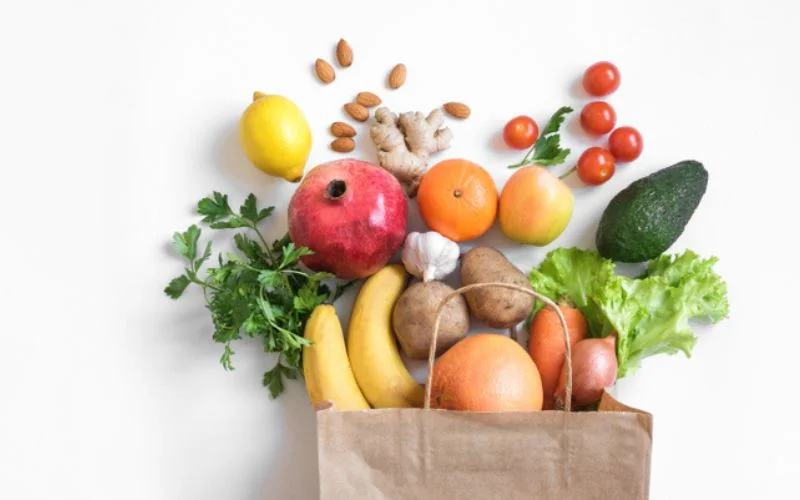
Choosing wisely extends to all meals, whether for the healthiest Subway breads or nutritious snacks. Reading nutritional labels, considering portion sizes, and prioritizing whole, unprocessed foods are practical steps toward a healthier diet.
For instance, when at Subway, choosing whole grain or multigrain bread, which is high in fiber and nutrients, can be a healthier option compared to refined, white bread. Accompanied by an assortment of fresh vegetables, lean proteins, and healthy fats, it can contribute to a well-rounded meal.
FAQ:
Are zero-calorie foods effective for weight loss?
While there aren’t true zero-calorie foods, incorporating low-calorie, nutrient-dense foods can support weight loss efforts when part of a balanced, calorie-controlled diet.
Is calorie the only factor to consider for healthy eating?
No, the nutritional value, including macro and micronutrients, is equally, if not more important than calorie content alone.
Can I maintain a healthy diet while eating out?
Yes, by making informed choices like opting for the healthiest Subway breads and prioritizing balanced meals, maintaining a healthy diet is possible even when eating out.
Conclusion
While a fascinating concept, zero-calorie foods are more of a nutritional myth than a reality. However, focusing on nutrient-dense, low-calorie foods can positively impact our health.
By making informed and balanced food choices, like choosing the healthiest Subway bread and incorporating a variety of fruits, vegetables, proteins, and healthy fats into our diet, we can navigate towards a healthier and more fulfilling life.
By understanding and implementing nutritional knowledge, we can enrich our dietary habits, nourish our bodies effectively, and potentially prevent many health issues, promoting longevity and enhanced quality of life.
Final Thoughts
Discerning facts from fiction is paramount in an era of nutritional advice and diet trends. While the quest for zero-calorie foods may be fanciful, pursuing a balanced and nutritious diet remains a tangible and worthwhile endeavor.
As we savor each bite of our meticulously chosen healthiest Subway bread or relish the crunch of fresh vegetables, let’s remember that the journey to optimal health is paved with informed and balanced food choices.
Leave a Reply
You must be logged in to post a comment.